_TX_60.png)



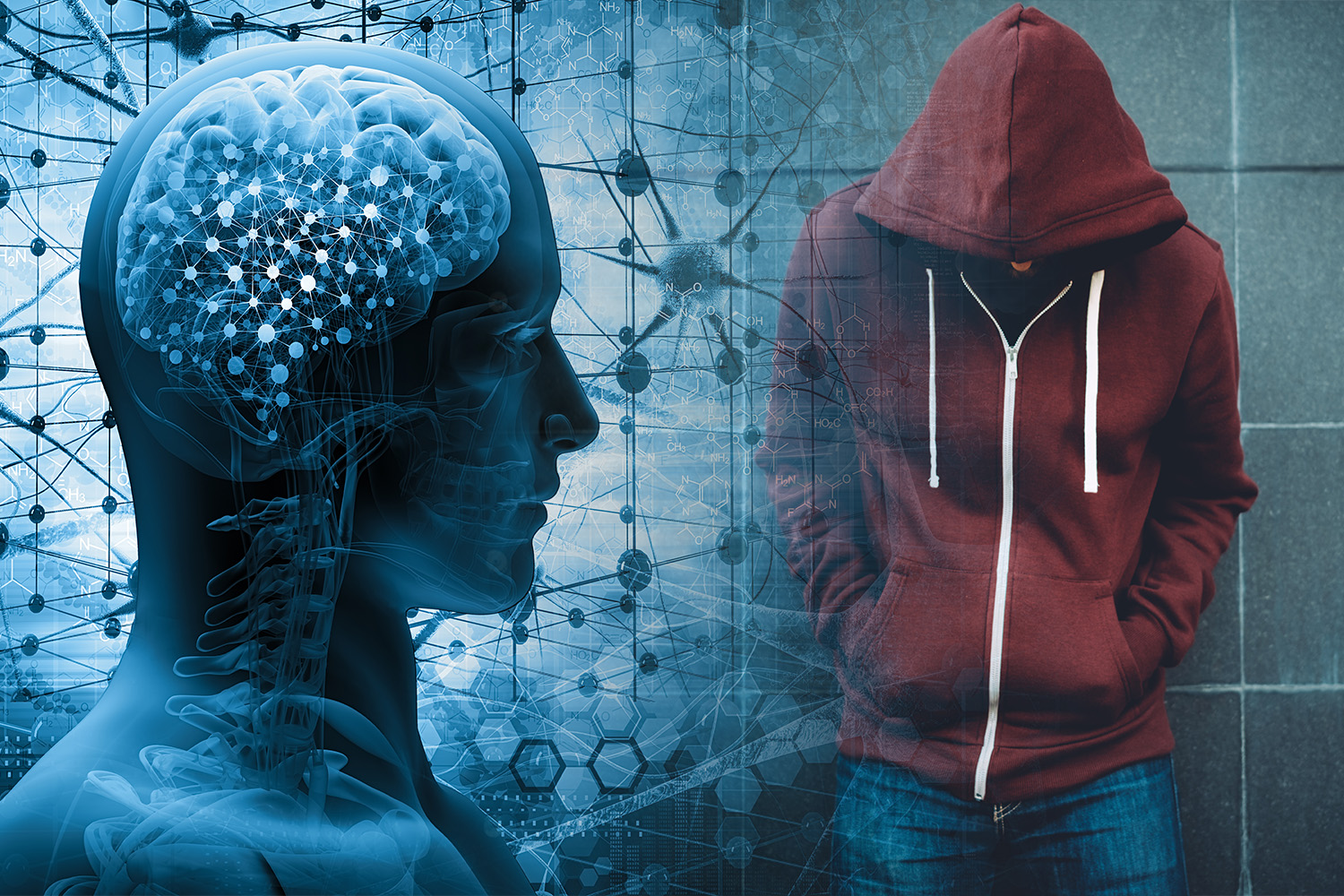
Post-Traumatic Stress Disorder (PTSD) is a mental-health condition caused by trauma, such as combat, sexual assault, child abuse, terrorism, traffic accidents, or any other event in which one experiences a serious threat to life or limb. This can include being the direct victim of the trauma or being a witness to it.
PTSD was called “shell shock” in WWI and “combat stress reaction” in WWII. In 1952, the Diagnostic and Statistical Manual of Psychiatric Disorders First Edition (DSM-I) called this “gross stress reaction.” It wasn’t until 1980 and the DSM-III that the term Post-Traumatic Stress Disorder was first used.
The current diagnostic criteria (DSM-V) for PTSD includes the following:
Exposure to actual or threatened death or serious injury. This would include being the victim of such trauma, but also witnessing the event or learning of trauma to a close family member, and also personnel, such as emergency workers, who are exposed to repeated traumatic situations.
Not everyone who is exposed to a traumatic experience develops PTSD, but for those who do, the symptoms include:
A. Presence of one or more of the following:
- Recurrent involuntary intrusive distressing memories.
- Recurrent distressing dreams.
- Feeling or acting as if the event is happening again.
- Intense prolonged psych distress at exposure or cues of the trauma.
- Marked emotional reaction to internal or external cues of the trauma.
B. Persistent avoidance (one or more.)
- Avoidance of memories, thoughts, or feelings of the trauma.
- Avoidance of reminders, people, and places related to the trauma.
C. Negative Alteration in mood/cognition (two or more.)
- Inability to remember details of trauma.
- Persistent exaggerated negative beliefs.
- Persistent distorted cognition about cause or consequences.
- Persistent negative emotions, guilt, horror, shame.
- Decreased interest.
- Inability to experience positive emotions.
D. Alterations arousal (two or more.)
- Irritability, anger outbursts.
- Reckless or self-destructive behavior (heavy drinking, drugs, suicidal thoughts or attempts, etc.)
- Hypervigilance (continual alertness for potential threats.)
- Exaggerated startle response.
- Impaired concentration.
- Sleep disturbance.
One of the reasons some people develop PTSD when exposed to trauma and others do not is their genetic makeup. Research shows that in the human genome, there are different versions of our genes. Some versions make a person more vulnerable to PTSD than other versions.[1] This is important to recognize because the development of PTSD is not about how “strong” one is; rather, it has its roots in our biology.
Other factors in developing PTSD include how the event is understood and processed. The greater sense of isolation, abandonment, betrayal, and helplessness when going through a traumatic experience, the greater likelihood of developing PTSD. This is why so much emphasis is placed on unit morale and cohesion in the military. The greater the bonds of brotherhood, the less the sense of isolation and abandonment, which in turn diminishes the risk of PTSD in the face of real trauma.
Families in which there is strong cohesion—bonds of support, love, encouragement, open communication to talk about life’s stresses—is protective against PTSD when traumatic events occur. Conversely, homes in which there is ongoing family conflict—arguments, lack of support, no one to talk to about life’s stresses—increases the risk of PTSD. And, of course, PTSD risk is magnified when violence or abuse occurs in the home. Homes without cohesion create atmospheres that magnify the sense of isolation, thereby increasing PTSD risk. And when a parent is the source of the trauma, PTSD risk is extremely high as elements of betrayal are also included in the trauma. This would cause a traumatized child to grow up distrusting others and experiencing typical sources of support or security as unreliable (spouses, clergy, police), thereby magnifying the sense of fear, isolation, and threat.
When one is in a high-trauma experience, the brain’s alarm circuit fires at a very high intensity. This causes sensory input and memories to be distorted. The mind becomes hyper-focused on the perceived danger, which can magnify the perceived threat. For instance, an assailant might be remembered as bigger or a gun as larger than it really was. Time and distance are often distorted in how events are remembered. A soldier in combat whose friend is killed may remembers being 3 feet away, when in fact he was 30 yards away. Or, significant events may not be remembered at all.
In the aftermath of a trauma, a person wants to make sense of what happened, so the mind will attempt to sort and explain the experience to the self. The younger a person is when the trauma occurs, the greater likelihood the event will be internalized with inaccuracies or distortions, particularly toward the self.
Trauma survivors often experience false guilt in the aftermath of the event. A person may blame themselves: “I should have never gone down that street.” “If I wouldn’t have stopped at that rest stop, this would have never happened,” etc. The younger a person is at the time of the trauma, the greater the likelihood of such false narratives and the more likely the distortion will not simply be about the event but about the self—“I’m ugly. I’m dirty. I’m bad,” etc.
One of the reasons this happens is because we don’t like to feel vulnerable or helpless, so in the aftermath of the traumatic event, the mind seeks to identify choices we can make to ensure we are never vulnerable to such an experience again. Thus, the mind searches for things we did “wrong” in order to fix them so that we can be safe in the future. This, of course, is all based on a false premise, that the trauma was the fault of the one traumatized. Such false internal narratives perpetuate and sustain the PTSD symptomology and is why successful treatments include reprocessing therapies in order to remove distorted narratives and replace them with accurate ones.
Treatments for PTSD
Talk-Therapies for PTSD with the strongest evidence of success include:
- Prolonged Exposure (PE.)
Involves working with a trained provider to face the feelings or activities that you have been avoiding in order to work through the intense emotions, resolve the trauma memories, and stop the automatic responses.
- Cognitive Processing Therapy (CPT.)
Focuses on working with your provider to reprocess and reframe the trauma. This involves writing assignments, learning to identify how the trauma has been labeled in your thinking, and moving away from exaggerated and inflammatory labels to fact-based ways of remembering.
- Eye Movement Desensitization and Reprocessing (EMDR.)
Helps you reprocess and resolve the trauma by talking through the memories with a provider while paying attention to a back-and-forth movement or sound (like a finger waving side to side, a light, or a tone).
Sometimes medications are used to help manage symptoms, but the medications do not resolve the disorder because resolution requires changing the internal narrative about the event. Medications, however, can help sleep, reduce the emotional reactivity, decrease some of the intrusive thoughts, decrease irritability and the impending sense of fear. Here is a partial list of medications that are used to treat PTSD:
For depression and anxiety:
- Sertraline (Zoloft).
- Paroxetine (Paxil).
- Venlafaxine (Effexor).
- Desvenlafaxine (Pristiq).
- Fluoxetine (Prozac).
For nightmares:
- Prazosin (Minipress).
For mood stabilization:
- Quetiapine (Seroquel).
- Lamotrigine (Lamictal).
- Aripiprazole (Ablify).
Recent research has demonstrated the potential therapeutic benefit of psychedelic drugs, such as Ecstasy or Psilocybin (magic mushrooms), when used in small, single doses in conjunction with a trained therapist to reprocess the trauma memories. The early results suggest these compounds make the brain’s memory pathways uniquely susceptible to rapid rewiring that, when utilized with a trained clinician, can reprocess the narrative and result in same-day marked reduction in symptoms that have persisted for months. WebMD has a summary article giving an overview of the current findings. It wouldn’t surprise me if such treatments become standardized in the near future. Using psychedelic drugs on one’s own is dangerous and could result in worsening as the drugs make one more susceptible to rewiring; thus the importance of working with a specialist.
PTSD is a real condition caused by real traumatizing life events that, if unresolved, interferes with our ability to function across the landscape of human experiences (vocational, relational, psychological). But this condition is treatable. If you are struggling with PTSD, I encourage you to seek out a trained provider and get treatment.
We cannot change history. We cannot undo the traumas of our past, but we can heal the wounds so that we don’t have to continue to experience the ongoing pain from those past events. So, get help—you are worth it!
[1] Bradley et al. Arch Gen Psychiatry 2008;65:190–200.





 using your credit or debit card (no PayPal account needed, unless you want to set up a monthly, recurring payment).
 instead?